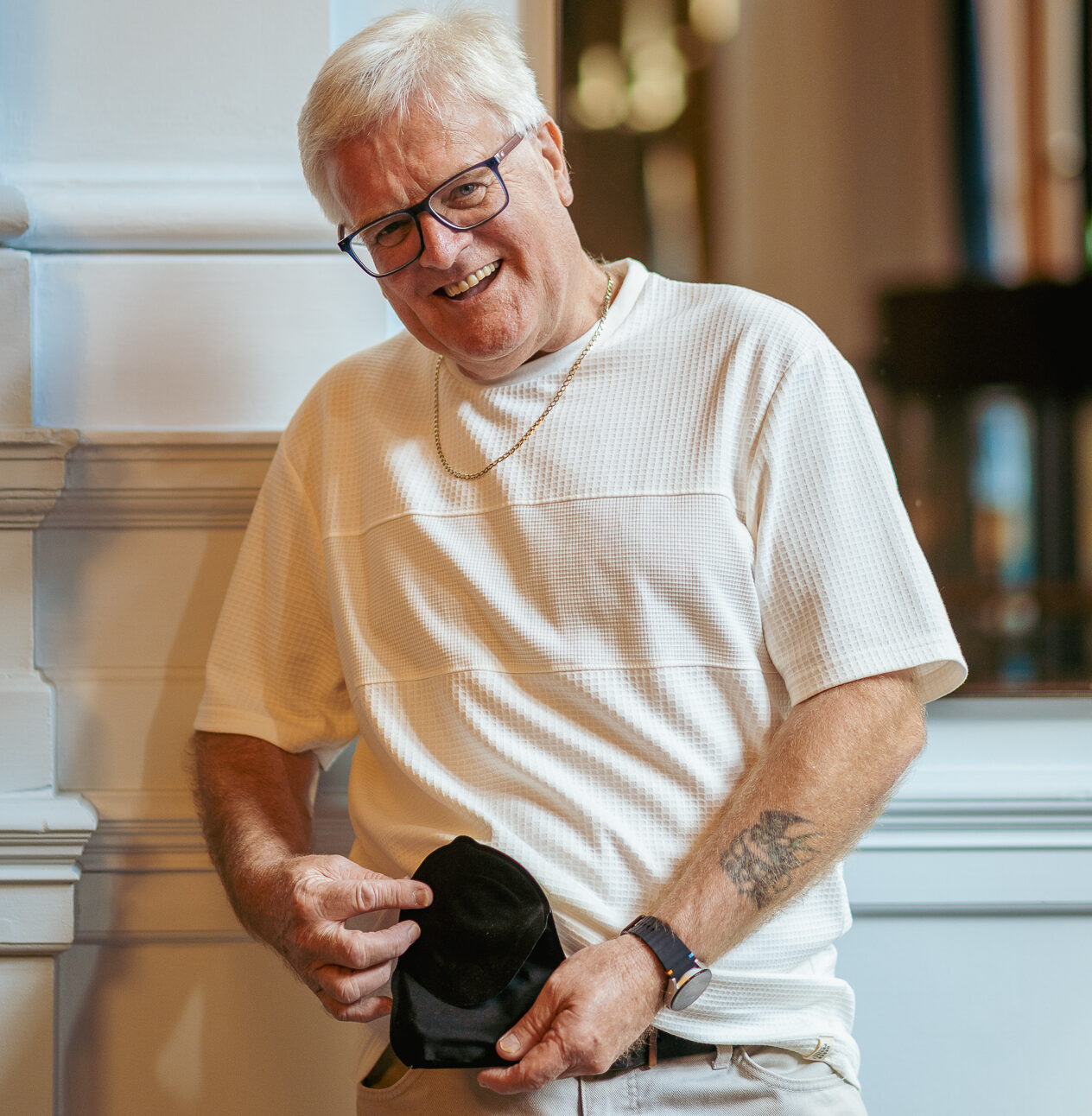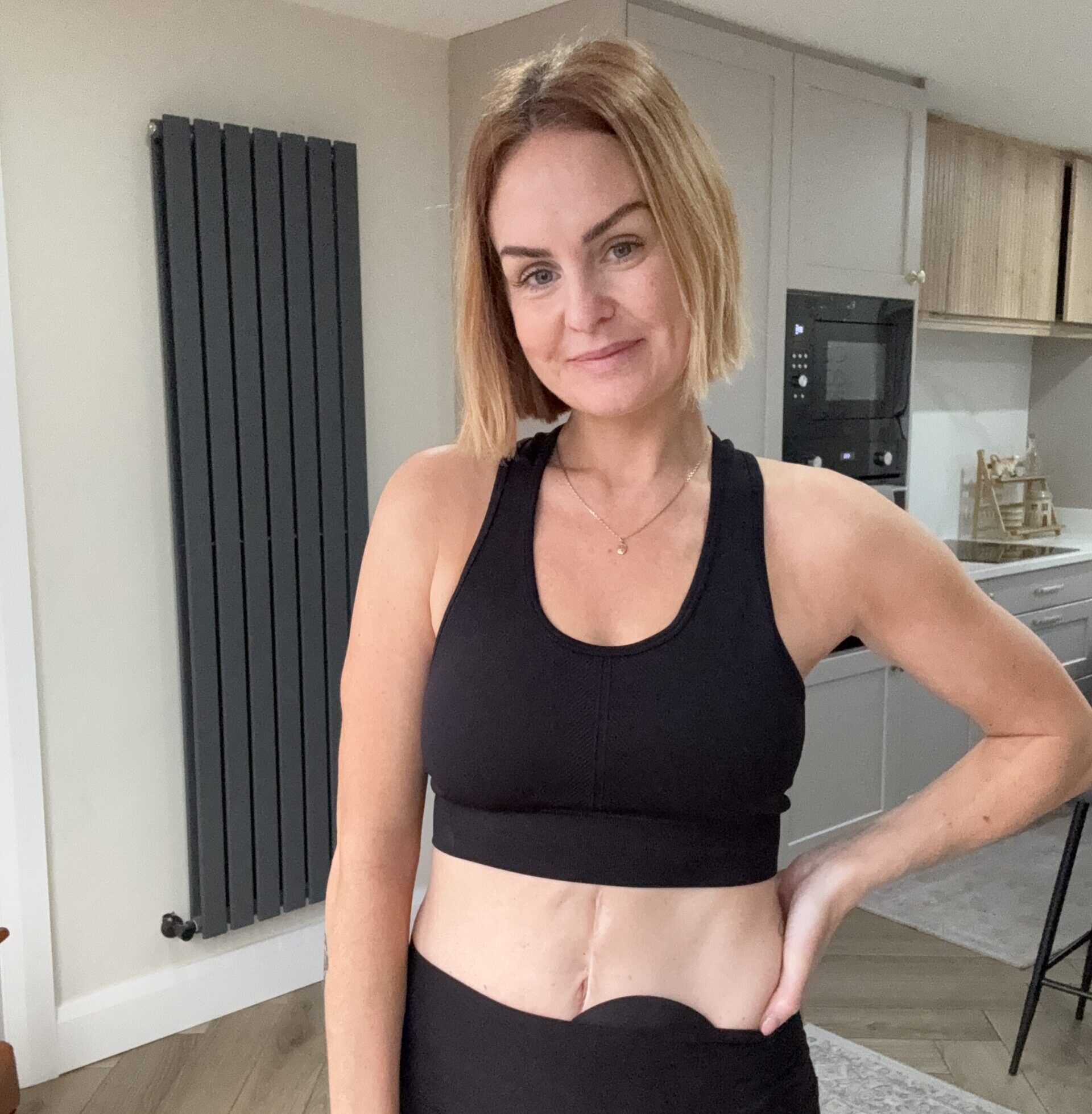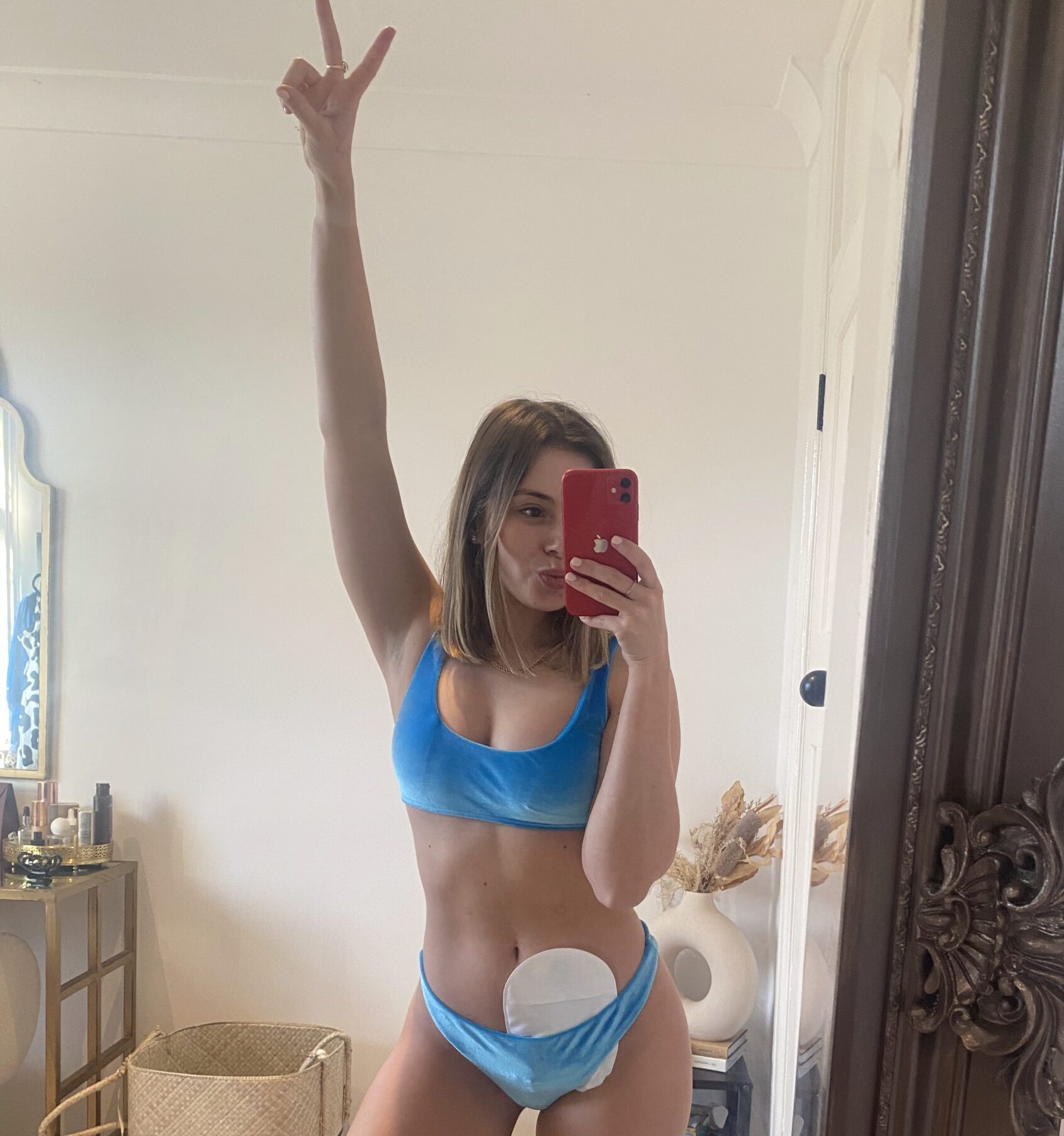

Dating with a stoma can feel intimidating. There is that real fear that others may not understand life with a stoma and/or a chronic illness.
I have been with my partner for five years and he has been by my side throughout my whole stoma journey and diagnosis. The good, the bad and the ugly. However not everybody starts with a long terms partner by their side when stoma surgery comes crashing into their life. I see you. I understand I’m coming from a place of privilege because I had my person before all of this.
So when do you tell someone you have a stoma? There is no timeline or correct answer for this question. Everybody is different, some people feel compelled to get it out the way immediately and lay all their cards on the table. Others might wait until they know the relationship is serious.
But most importantly, only tell the other person when you’re ready, whenever you feel is right for you. What matters most is you feeling safe and not rushed. Yes, you may come with medical equipment, but you also come with resilience and a perspective on life that most people will never have.
Letting your partner learn with you
When I first had my stoma surgery, admittedly, I had no idea what I was doing and neither did my partner. Every day was a learning curve and me and my partner figured it out together. You don’t have to have everything figured out immediately. Yes, sometimes things went wrong but it’s all trial and error. My partner is always asking questions and learning everyday to make sure I am as comfortable as possible. Some of our closest moments have been when he’s been by my side when things got scary. The right person won’t expect you to have it all together.
Body image and intimacy
Body image after stoma surgery can be complicated. I have been living with my stoma for 4 years now. Some days I feel empowered and proud of my scars, others I want to hide away and hate the bag stuck on my belly – and that’s ok! Both can exist at the same time. A relationship adds another layer to this because you wonder how somebody else will see your body.
What about intimacy? Yes we are going there! Intimacy can be where people feel most vulnerable, especially when your body has changed. So it’s important that you wear whatever makes you feel confident/comfortable. This could be high-waisted underwear, ostomy wraps, a support belt, stoma bag covers and more. And, in my opinion, communication is the most important part with intimacy. You should feel comfortable to communicate when you need to pause, adjust or do things like empty your bag. I always feel best with an empty or fresh bag. Intimacy isn’t always physical either, it’s about feeling safe and understood. For me, intimacy looks like my partner advocating for me when I’m too fatigued to advocate for myself.
Important: be gentle with yourself on those days where your body feels unfamiliar or difficult.
Dating with a stoma/chronic illness
Don’t settle for anyone who makes you feel like a burden because of your stoma or any less worthy. You are not unlovable because you have a stoma.
If you are going on dates with your stoma, stay true to yourself and your needs, don’t compromise this for someone else – this means doing a date that’s comfortable for you. This may look like having a bathroom nearby and something low energy. Life with a stoma doesn’t always allow you to be spontaneous, it may mean you have to cancel plans or don’t feel yourself due to medications and unpredictable symptoms. You don’t have to justify yourself. The right person will be flexible and meet you with empathy. Dating should feel safe and supportive, not something you are pushing your body through.
Communication is everything
Communication can make or break a relationship, even more so when a chronic illness/medical device is involved. Many symptoms like fatigue, pain and brain fog are all invisible. These aren’t always obvious to someone else so clear communication can help your partner know how you feel, and where your energy levels are at. This can include just checking in with each other regularly, communication isn’t a one off conversation. Communication works both ways, your person needs to be able to listen and tell you what they need also. You can start by normalising practical conversations about your stoma. Encourage questions, but it’s ok to set clear boundaries about how much you want to explain.
Me and my partner often ask each other – do you want comfort or do you want a solution? This simple question helps each other know what we need and how to support each other in the moment. It creates a safe space for honestly and removes the pressure to ‘fix’ everything.
What I have learnt
Even with the right person, there will be hard days. Days where you feel your illness is taking up too much space in the relationship. Illness can make you feel guilty for things that are not your fault. I frequently feel this guilt for not being a ‘normal’ partner, not giving enough – this is a real struggle on those bad days. For me, this guilt all stems from the grief of the life I could have had.
Tips to counteract the guilt:
- Practice self-compassion – you show up every day and that is enough
- Separate responsibility and reality – you didn’t choose this life
- Your partner has the choice – ultimately, they chose you because they want to
- Accept help without over-explaining
- Remember that roles shift – not everything has to be 50/50
But I have learnt that asking for help or expressing your needs doesn’t make you weak. It takes strength and ultimately, you are a team. Support for me doesn’t always look like big gestures. For example, when he tops up my stoma supplies without me asking – those moments matter just as much.
After 5 years, one of the most valuable lessons I have learnt is vulnerability is a superpower. Allowing yourself to be vulnerable, allows your person to be that too. My boyfriend knows how to change my stoma bag when I feel too unwell to do it and he does this often. He knows what foods I can and can’t eat and all the signs of a bowel obstruction. When you find the right person, they don’t just love you, they become a huge part of your support system.
Final thoughts
You are worthy, exactly as you are. You are more than your stoma. Your stoma is just part of your story, not all of you. People with stomas fall in love every day, dating with a stoma is a journey of courage. You deserve love that adapts with you.
You’ve got this!
Alice x
@living.with.ileostomy