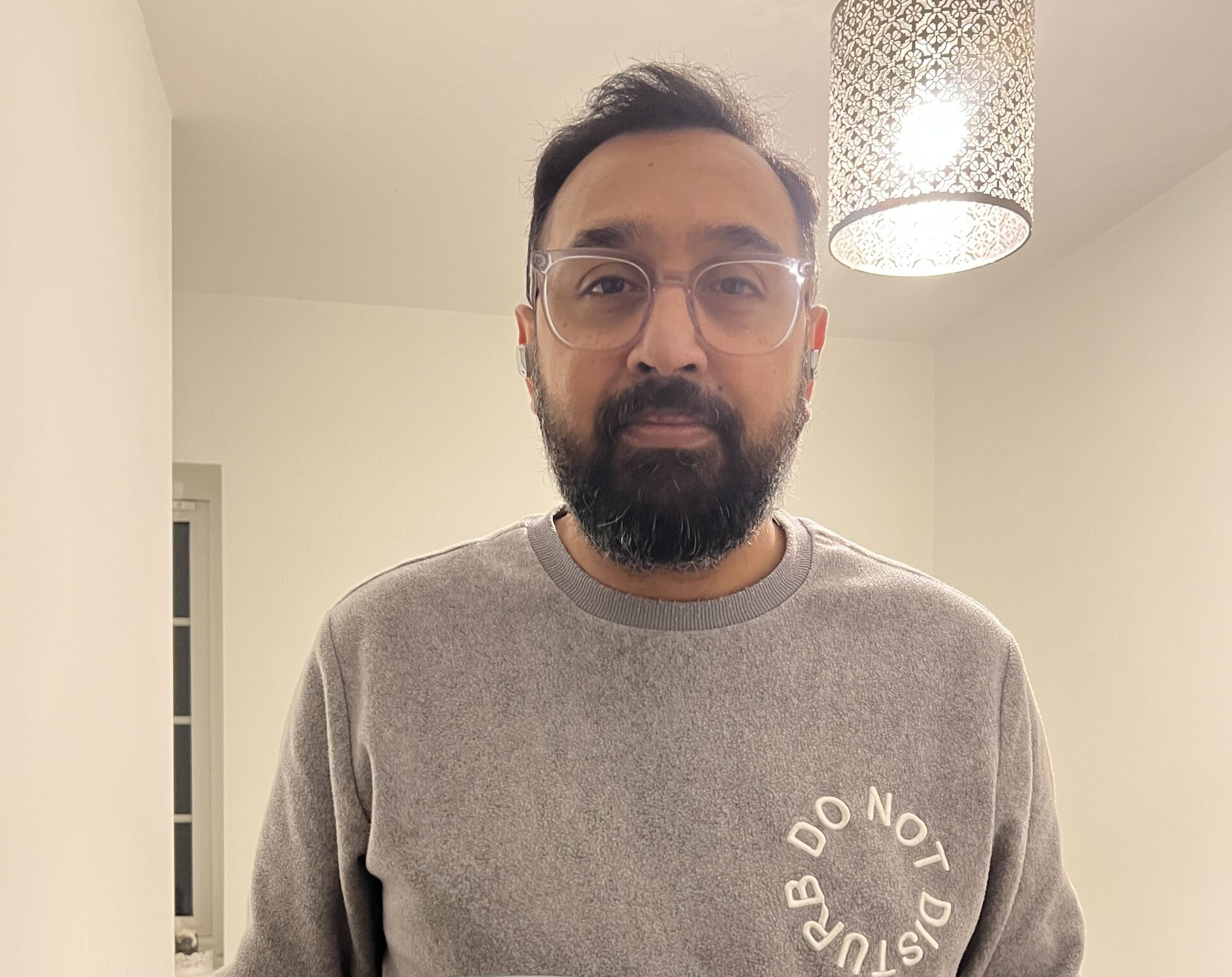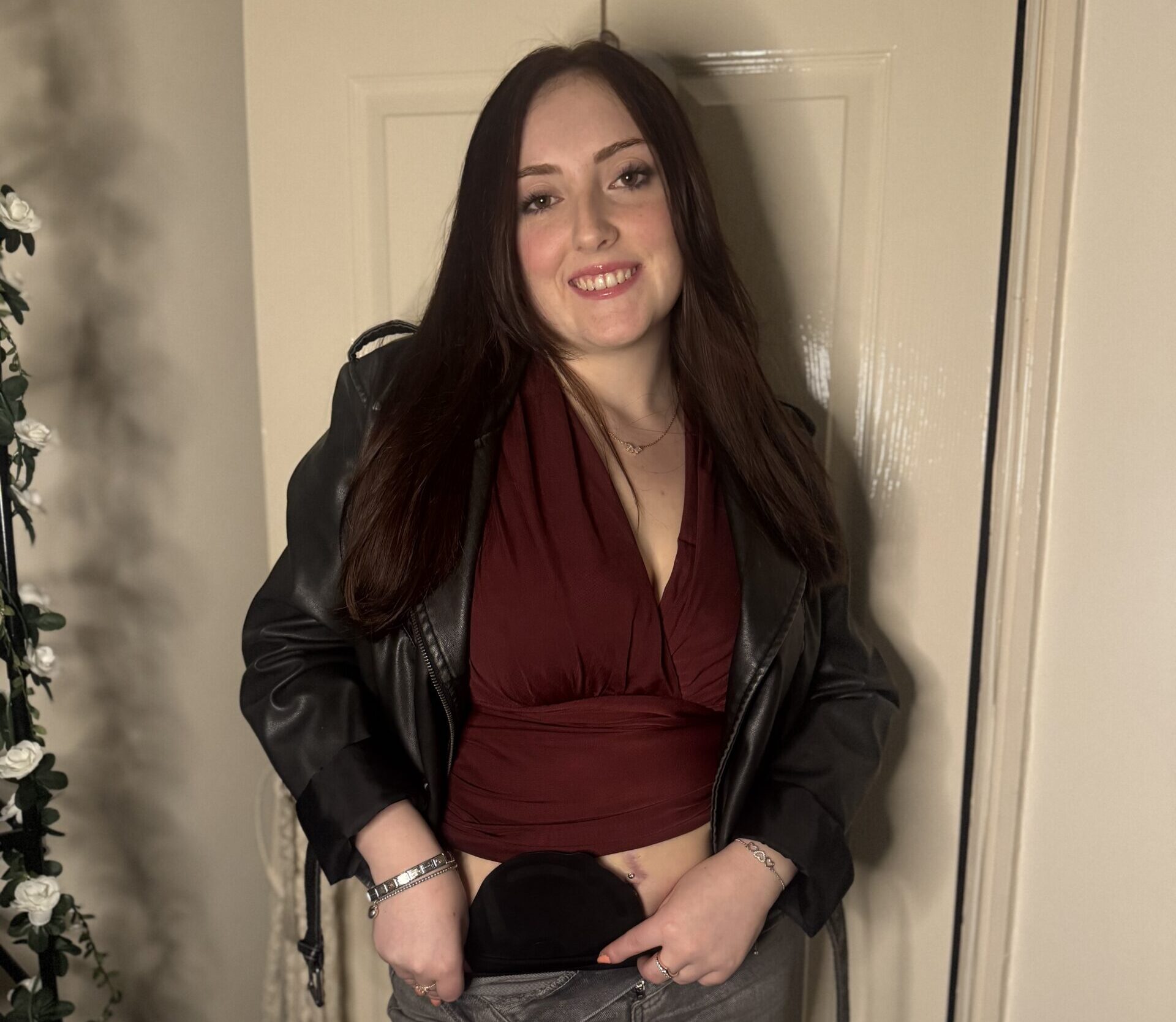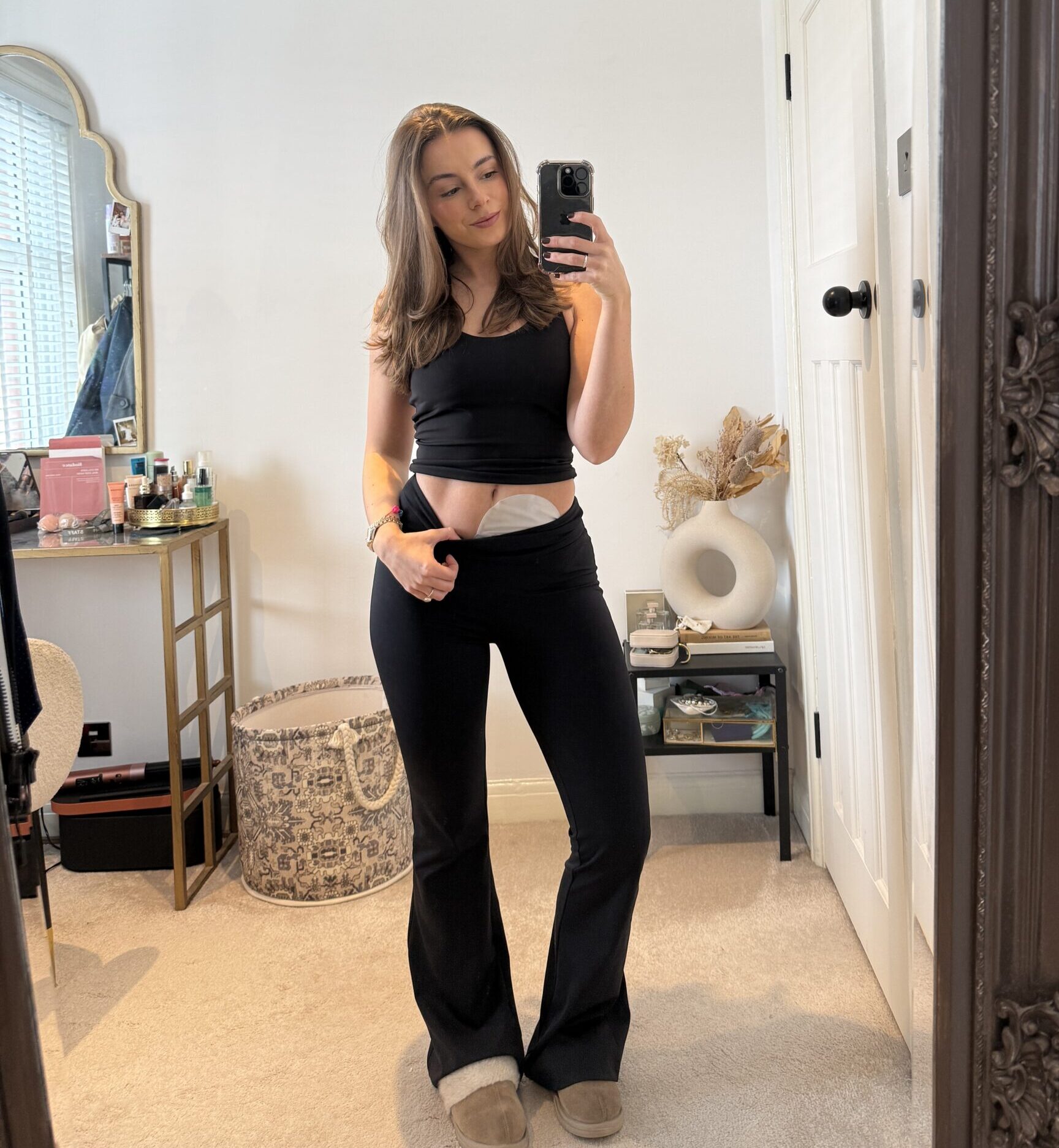
When my consultant told me they had found a tumour and subsequently tested positive for cancer, the world seemed to have stopped spinning. The medical jargon faded into the background, the drumming of my heartbeat became louder, and the floor beneath me slipped away. I was diagnosed with advanced carcinoma; fortunately, it hadn’t spread, but that was the only good news I was given. A GP said that I was a ‘dying patient’. The only people who had any hope of my survival were my close family.
During that process, I came across an Arabic word ‘fitna’, which means ‘trail’ – a word that sums up my battle with cancer. It’s helped reshape my outlook on life, and I’ve found solace within its teaching. It’s taken me until now, over 5 years, to truly process the trauma. I hope that it will help you wherever you are in your journey.
Fear
The fear was constant; whether it was the chemotherapy, the horrid infection, my bowel perforating or the eventual surgery were only second to the fear of what might happen to my family. Sleep became elusive as my mind raced through worst-case scenarios. The waiting between treatments felt like an eternity. Each moment stretched into hours of anxious anticipation.
Isolation
There’s a profound isolation that comes with a serious illness. The joy I once found in simple pleasures seemed to have dissipated. I withdrew from friends and family, not wanting to burden them with my fears. To be honest, I was sick of well-wishers and thought-givers. The feeling that no one truly understands what you’re going through, even when they try.
Trust
Gradually, something shifted. It wasn’t about embracing the cancer but rather accepting that this was my reality to face. As hard as I tried to manage the cancer, I suddenly realised I was no longer in control. I had to trust the people around me to make the right call when needed. Sensing my reality could change at any moment, it was at this time that the decision was made that I would need emergency surgery.
Nurturing
After major surgery, I learned the hard way that my body needed time to heal. I had to learn to listen to its signals – the exhaustion wasn’t laziness, the pain wasn’t weakness, the limitations that weren’t failures. This became a practice of self-nurture: sleeping when tired, eating nourishing foods, moving gently when possible, and resting when needed. My body became my teacher, and I had to respect its healing process. This shift from fighting my body to working with it brought a new kind of strength.
Acceptance
Life after cancer brought both profound changes and a new perspective. The surgery left me with chronic and severe nerve damage, which offers a deeper appreciation for ordinary moments that once seemed mundane. The anxiety about the future remains, but it’s now accompanied by a fierce determination to live fully in the present. This is the acceptance I’ve come to, not of the cancer itself, but of the way it has reshaped me and my priorities.
I can look back at those early days with a different perspective. The trail hasn’t been easy, and there are still moments of fear and uncertainty. But I’ve learned that strength isn’t about being fearless, it’s about acknowledging your fears and moving forward despite them.