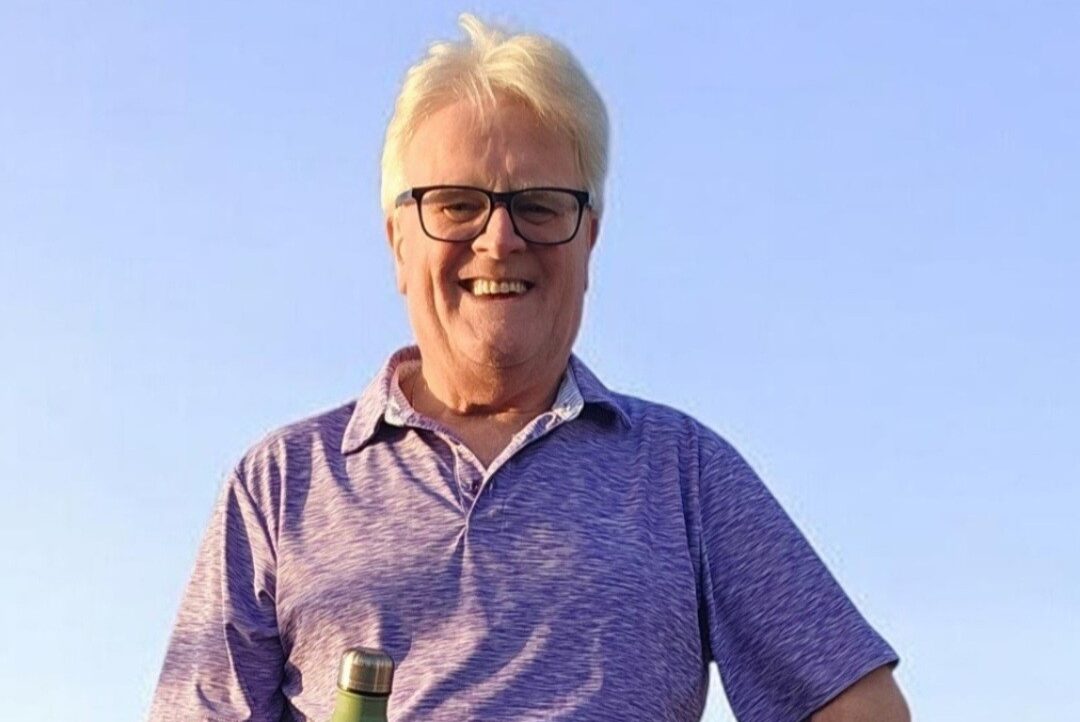

Prior to my stoma surgery, my life had become progressively more miserable. I was in constant pain with my ulcerative colitis, I had severe piles, I had frequent diarrhoea so spent most of my day in toilets and, in the end, all areas of my life were affected. Going to work was difficult, socialising became practically impossible and my mental health also took a dive. I became really anti-social, my mood was always low and my personality changed from being a pretty outgoing, happy person to a bad-tempered, very unhappy one.
Having coped as well as I could for 5 years, I reached the point of no return after I was admitted to hospital with an infection and I was told that my bowel was no use to me any more – it wasn’t even absorbing water. I had two weeks to prepare for my stoma surgery and this gave me time to plan, talk to people who had been in my situation, meet my stoma nurse and think about how I might cope with living with a stoma. I can honestly say that having opted for a total proctocolectomy and a permanent ileostomy, I have never looked back.
I was actually 14 years ago this month that I had my stoma and it is always a day when I reflect on my life with Homer (the stoma) so there’s no better time to share my beginner’s guide.
What to expect in the first days/weeks after surgery:
- Pain: there’s no getting away from it: your body has experienced significant trauma and it’s natural to experience pain. You will be supported by the nurses to manage your pain appropriately. I actually had a syringe drive so I could administer pain relief myself which was good as I actually felt in control. I had a laparoscopic procedure (keyhole surgery) and I was not expecting the pain relating to the inflation of my abdomen (part of the procedure enabling the surgeon to see what he’s doing and to create the space to work in). Apparently most of the CO2 gas that’s used for this escapes through the incisions but what’s left can cause pressure that feels like severe indigestion. My top tip would be to get some peppermint tea or peppermint cordial – that really helps with this.
- Anxiety: a lot of new ostomates are nervous about looking at their stomas for the first time. It can be difficult but I didn’t struggle with this as I was fascinated by it. To be honest, since my surgery in 2012, there is much more information about stomas and their functions to be seen so I would suggest perhaps looking at some reels or videos from reliable sources that might prepare you a bit better. Also don’t be surprised that you’ll be encouraged to get up and moving around quite soon after your operation. This can be a bit of a challenge psychologically as well as physically, but tell yourself that sooner you can do it, the sooner you’ll get home.
Daily routines:
- Eating and drinking: stick to plain food at first while things are settling down. It’s likely that you will have dietary advice on leaving hospital, but my particular advice here is to keep hydrated – especially with an ileostomy. I learned the hard way and ended up back in hospital on a drip! You must drink plenty of fluids every day. As your recovery progresses, you will be able to enjoy greater varieties of foods and you will see what you can tolerate and what you can’t – it’s an individual thing but there’s no reason why you shouldn’t be able to enjoy all your favourite foods eventually.
- Bag emptying and changing: of course, there will be support for you in hospital initially, but how often and when to empty your bag will be a personal thing as it depends largely on what and when you eat. You will soon understand how your stoma works and when the key times are for changing throughout the day. For me, I tend to do a complete bag change last thing at night, My stoma is less active and it gives me confidence to think that if there should be a leak, at least I’m at home and not trying to deal with it when I’m trying to get ready for work or out and about.
- Going out: Getting back to having a social life, albeit while navigating a new set of toilet routines, is one of the best things about having a stoma. Yes, you will always have to make sure you take the appropriate supplies for an emergency bag change (e.g. a couple of stoma bags, release spray, wipes and disposal bags) but it’s such a small thing in the grand scheme of things and 9 times out of 10, you won’t need to use it. Try not to worry that people will know you are wearing a bag. Modern appliances are very discreet and there is no reason at all that anyone needs to know unless you want them to.
Emotional adjustments and dealing with anxiety:
- Overwhelming feelings: these are only to be expected. Don’t be afraid to have a cry and don’t feel bad if you have down days. You will have been through something traumatic and life-changing, and it’s bound to be emotional. The best piece of advice I will give you is to talk to somebody – a partner, a close friend or another family member. It’s never a good idea to bottle up your feelings and if you are willing to share any worries or fears with someone else it can only be a good thing. Maybe you’re worried about skin soreness, your output, leaks and odour – please reach out. Contact your stoma nurse or read our blogs, watch video clips, search for help on websites such as Eakin Healthcare and or here on Respond. There’s a load of information out there to help.
I am not going to say that everything will be plain sailing, but I can assure you that there is light at the end of the tunnel. Your stoma journey won’t be the same as mine, it’s YOUR journey. Getting used to new routines, new habits and making new discoveries is challenging but also liberating. The most important message I can give you is, “don’t be afraid to talk.” There is a fantastic group of fellow ostomates out there who are only too happy to talk things through and share experiences with you. Just find us – we’re Eakin Healthcare and Respond ambassadors on social media. I can honestly say that if you can keep a positive attitude, things will get better and you will find the way to cope emotionally, and physically.