
Looking back at the weeks immediately following my stoma surgery, I remember a whirlwind of overwhelming emotions. I was incredibly grateful for a second chance at health, but I was also a little terrified of this massive change to my body. In those early days, everything felt fragile, and establishing a new routine felt like trying to navigate everything in the dark.
I wanted to share this because when you are fresh out of the hospital, it is easy to feel isolated and like you are the only one struggling. If you are feeling overwhelmed, trying to figure out your new normal, please know that you are not alone. Learning is an entirely normal part of the healing process, even years later.
1. Physical recovery
When I first came home from the hospital, one of the things I learnt quite soon was letting my eagerness to feel “normal” override my body’s actual physical limits. I can’t remember what it felt like to feel “normal” before surgery as I was so poorly throughout my childhood and teenage years, so I was so keen to start living life. Even though I was incredibly weak and exhausted from being so unwell before my operation, I still tried to push through the fatigue far too quickly.
I wanted to get out and about really quickly, and a walk into town with my mum (a very slow one) a few weeks after my surgery showed me I was taking things too quickly. I felt really weak, sick and dizzy and came over really shaky. All this did was push my already depleted body into intense exhaustion and prolong my recovery. But it’s important to remember that everyone is different and everyone recovers at different paces.
Healing from major surgery when your starting baseline is already depleted requires an immense amount of patience. Pushing myself harder than I needed to early doors pushed me back. I had to learn the hard way to listen to my body, honour the exhaustion, and give myself genuine permission to just rest and build my strength. I was so lucky in the sense that I had my family at home to help me do what I needed to do in my recovery.
2. Overcoming the emotional hurdles
The physical adjustments of stoma surgery are undeniable, but the emotional hurdles were, for me, the hardest part.
For clothes, it took time, experimentation with high-waisted clothing, and supportive ostomy underwear to realise that your bag is far more invisible to the world than it feels to you. People aren’t staring, and your wardrobe doesn’t have to be limited to oversized clothes forever.
Another massive emotional mistake I made was keeping my worries entirely to myself. I didn’t want to burden my family or friends with my fears about body image, intimacy, or the future, so I put on a brave face. Bottling up those heavy emotions only made the anxiety grow.
True healing began when I started opening up. Sharing my vulnerability with my stoma nurse and my loved ones and connecting with the online ostomy community completely changed my perspective. Finding others who truly understood what I was going through gave me my confidence back and reminded me that having a stoma doesn’t change my worth or beauty.
3. Fearing food
Before my surgery, my relationship with food was completely broken. Nearly everything I ate caused intense pain and nausea. Because that pain had become my “normal,” my biggest mistake early on was letting fear dictate my diet. I was terrified to eat anything substantial, assuming it would instantly cause a blockage or pain.
It took months to build up my appetite and actually trust food again. I learned that restricting myself too heavily was actually hindering my recovery. Once I started introducing a wider variety of foods gradually, chewing incredibly thoroughly, and staying on top of hydration, I realized my stoma actually allowed me to enjoy eating again, completely pain free.
This feeling definitely took a while to get used to. I had a sense of a black cloud looming over me every time I ate, waiting to feel sick or be unwell. Thankfully, as time went on and my appetite increased, this anxiety became less and less.
4. Make sure you use that adhesive remover!
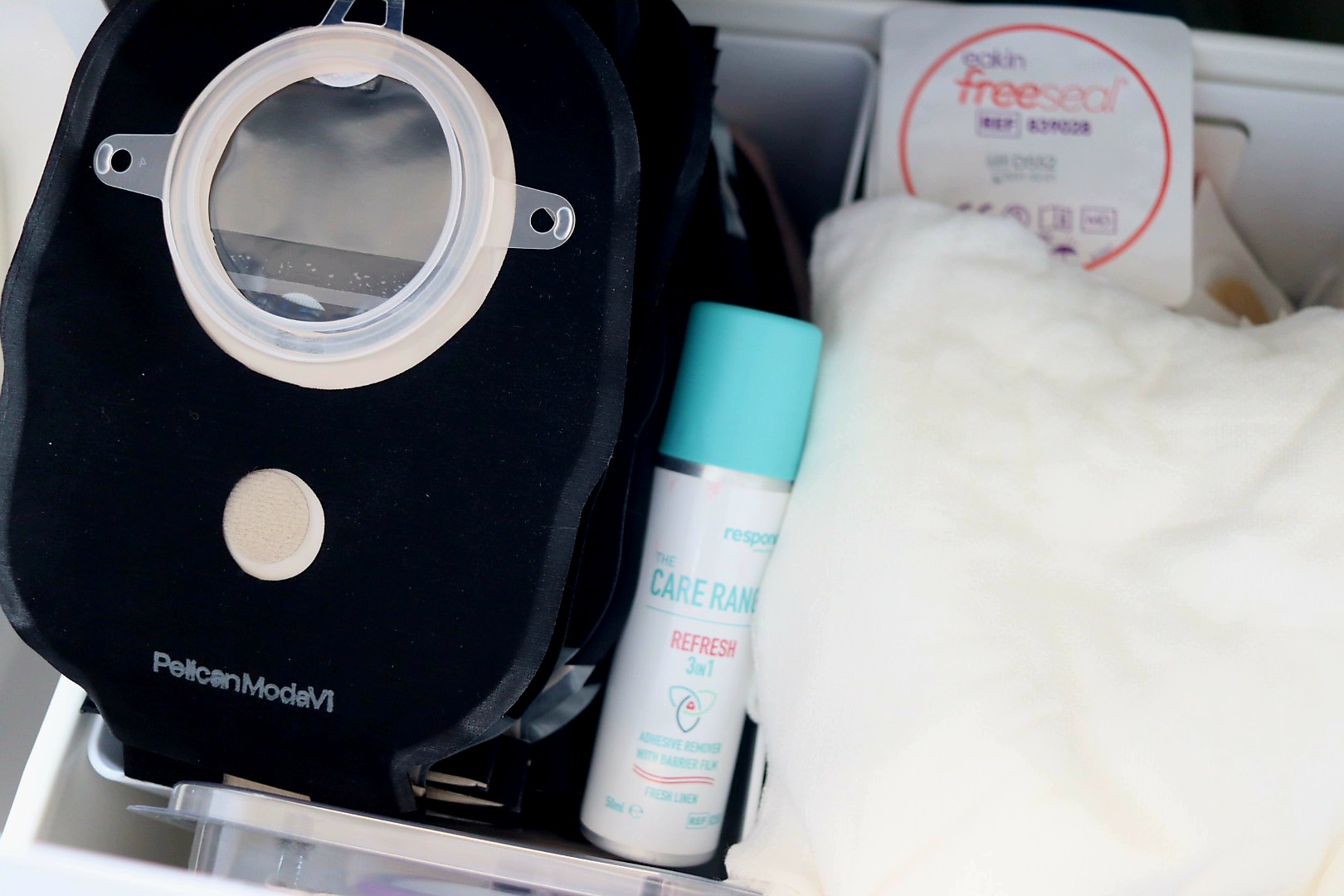
In the early weeks, I was so focused on just getting a new bag on that I completely rushed the process of taking the old one off. I made the painful mistake of simply peeling the adhesive baseplate away from my skin without using the proper removal products… Too many times!
This continuous tugging quickly left the area around my stoma raw and red. It became a vicious cycle because a new bag won’t stick well to damaged skin, so I had so much anxiety around my bag sticking, especially when it filled up with wind on a night.
The turning point was making sure I used my adhesive remover religiously, not just sporadically. Learning to gently spray and let the adhesive slide away smoothly, rather than ripping it off, completely saved my peristomal skin. Happy skin equals a happy me, and a painless bag changing routine is non-negotiable for long-term comfort.
5. Stop comparing your timeline to others online
Scrolling through social media, it was easy to fall into the comparison trap (and still sometimes is). I’d see other ostomates out hiking or wearing tight dresses just weeks post-op, while I was still struggling to change my bag without tearing up. I had to learn that recovery isn’t a competition. I had to learn to think “their recovery isn’t the same as mine.” Maybe they were less poorly than me when they had their surgery, maybe they had it keyhole, maybe their fitness levels pre-surgery were much higher than mine. Everyone’s underlying condition, surgery type, and body are completely different, and honouring your own pace is crucial for mental well-being.
Key lessons were learned along the way
If I could go back in time and speak to myself early days post-surgery, the very first thing I would tell her is to trust the stoma care nurses completely. They are an absolute wealth of knowledge. Trying to figure out everything through trial and error on your own is exhausting, and reaching out for professional guidance early saves so much heartache.
I also learned the vital importance of being organised with my supplies and taking a spare ostomy bag kit out with me. Respond is an excellent service that helps take the stress away from that one more thing that you have to think about, when you’ve already got enough going on! Your deliveries are so easy to organise and always arrive on time, so you don’t have to panic about running out of supplies.
Most importantly, I learned that acceptance takes time. You cannot expect to love or even comfortably accept your stoma overnight. It is a massive physical and psychological shift. Allowing myself to have bad days, to cry, and to feel angry was actually a necessary step toward eventually embracing my ostomy completely unapologetically as the thing that saved my life.
Navigating life after stoma surgery is an evolving journey filled with highs and lows. Every single mishap I made in those early months, from not using adhesive remover to rushing my physical recovery, taught me something invaluable about my body and my resilience. They weren’t failures…they were just all part of the continuous learning curve toward finding my feet in ostomy life.
If you are currently in the thick of it, feeling frustrated by a leak, dealing with sore skin, or struggling to look in the mirror, please be gentle with yourself. Give your mind and body the time, patience, and grace they desperately need right now. You are adapting to a massive change, and you are doing much better than you think.
Remember that your stoma does not define you, nor does it limit what you can achieve in life. It is simply a chapter of your story that highlights your incredible strength. Keep moving forward one day at a time, celebrate the small victories, and never forget that you have a whole community standing right beside you.
For many, including myself, an ostomy isn’t the end, it is just the beginning!